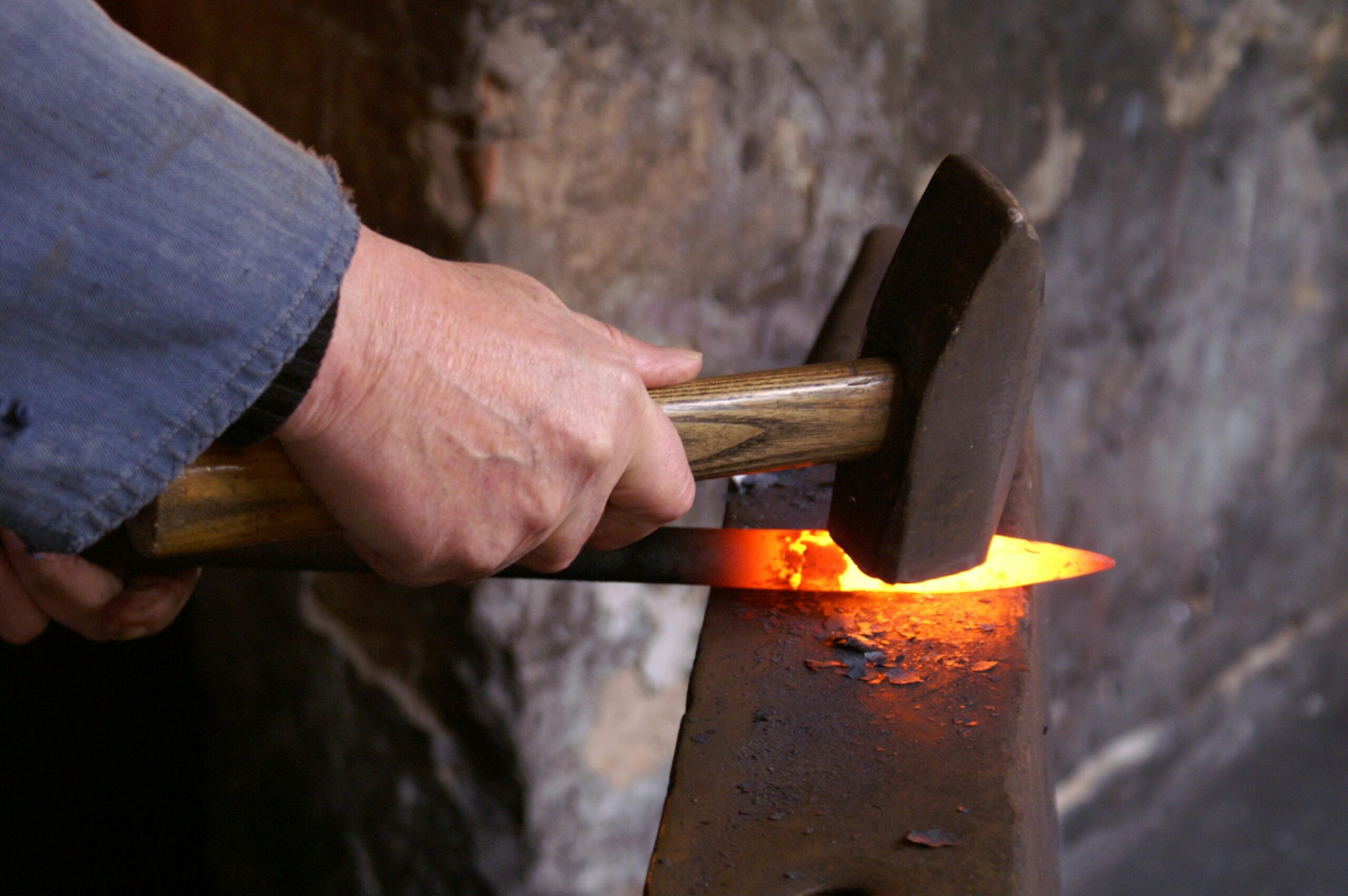
You are waiting for the storm to stop so you can start living, but strength is not built in the calm. Resilience is not a passive capacity to endure pain. It is the active pursuit of strength through friction. Stoic Fortitude treats every setback as diagnostic data for your character architecture. To fix the system, you must stop seeking comfort and start seeking the active condition of your mind. By narrowing your focus to your Circle of Control, you turn difficulty into fuel. This shift is essential for leveling up your life with the power of beautiful thinking.
Is resilience a passive trait or an active condition?
Resilience is an active condition called hexis, where the soul holds itself in a stable equilibrium. It is not a passive routine or a shield that you simply carry. True fortitude requires constant effort to maintain balance under fire. You do not simply endure the storm. You use the wind to gain speed.
Most people mistake a habit for a hexis. A habit is a passive routine, while a hexis is an active stance. Waiting for comfort leads to the structural decay of the mind because the mental muscles required for stability atrophy in the absence of resistance. Resilience is a trained ability formed through repeated, intentional action. It is the difference between a building that stands because the weather is good and a structure designed to maintain its integrity during an earthquake. This active stance is how you start building a code for when there are no rules left.
How does the Circle of Control reduce metabolic drain?
Decision fatigue and energy leaks happen when you waste metabolic resources on things you cannot influence. Narrowing your focus to internal thoughts and actions cuts the neural noise. This strategic optimization saves your human battery for the work that matters. You must learn to accept external chaos as irrelevant background static.
The biological cost of worrying about external systems is a primary driver of internal stress. Acceptance of the external world functions as a system-level optimization. As outlined in the Stanford Encyclopedia of Philosophy, the Stoic path involves distinguishing what is up to us from what is not. When you identify the line between your power and the noise of the world, you stop the energy leaks that often lead to the hard drive crash of your mental cache.
How do I reframe setbacks as diagnostic tools?
Perform a structural integrity analysis on every failure. Do not see a problem. See a data point showing where your boundaries are weak. This reframes every setback into a diagnostic test of your current protocols. You iterate on your character in real-time to build a mind that thrives on pressure.
This approach utilizes the Action-to-Insight pipeline. Doing the right thing first eventually changes how you think. You can use tools from the survival kit for a broken world to turn potential worry into a structured strategic asset. Recent research shared by Psychology Today suggests that this type of cognitive reframing significantly boosts long-term well-being. Every temptation or setback becomes a diagnostic test for your current boundary settings. By viewing life this way, you avoid the emptiness that comes after chasing a high that leaves you empty.
The Structural Integrity Protocol: The Law of Hardened Integrity
Difficult times make life interesting. Overcoming them makes life meaningful. A mind that seeks only comfort is a mind currently undergoing structural decay. Embrace the friction of the trail. The rejected stone only becomes the cornerstone after it has survived the pressure of the mountain. Stop arguing what a good person should be. Be one by holding your stance.
The New System Law: Fortitude is the active maintenance of the self. If you are not intentionally engaging with difficulty, you are losing the ability to withstand it.
Your Protocol for the Week: Identify one current source of stress that is outside your Circle of Control. Consciously categorize it as background static and refuse to spend metabolic energy on it. Instead, find one intentional difficulty you can tackle today. This could be a difficult conversation or a physical challenge. Treat it as a diagnostic test for your current level of fortitude. This is a practical step toward unpacking the word eunoia and discovering a timeless concept.