You were good all day. You ate the salad for lunch. You drank the water. You resisted the bagels in the breakroom.
But at 8:00 PM, you walked into the kitchen, saw the box of cookies on the counter, and ate five of them before you even realized what happened.
The guilt hits you immediately. You tell yourself, “I have no self-control. I am weak.”
I have been there. But the Realist in me knows the truth: You aren’t weak. You are exhausted. And you are fighting a war you engineered to lose.
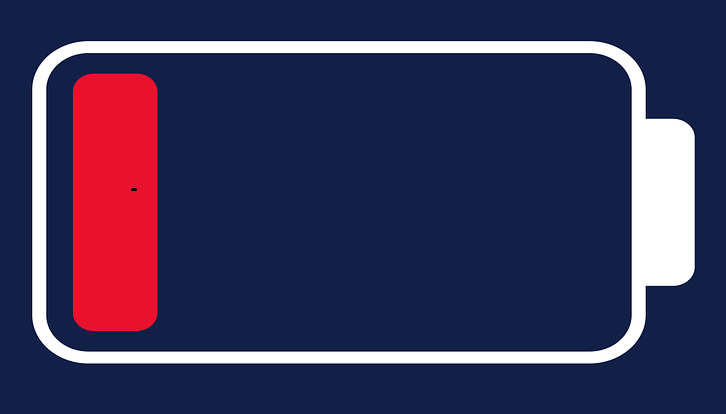
Willpower Is a Battery, Not a Trait
We tend to think of willpower as a personality trait—something you either have or you don’t.
But science tells us that willpower is a biological resource. It is essentially a battery powered by glucose in the brain.
Every decision you make during the day drains that battery.
- Choosing what to wear? Drain.
- Suppressing your anger at a rude email? Drain.
- Focusing on a spreadsheet? Drain.
Psychologist Roy Baumeister calls this Decision Fatigue.
By 8:00 PM, your battery is hovering at 5%. You have spent all your energy dealing with the world. Resisting that cookie requires 10% power. You literally cannot say no. The metabolic cost is too high.
The Architect vs. The Hero
The mistake we make is trying to be a Hero. We think we can stare down the cookie a hundred times a day and win every time.
But even a hero eventually gets tired.
The solution is to stop trying to be a Hero and start being an Architect.
In Atomic Habits, James Clear argues that the most disciplined people don’t actually have more willpower than you. They just spend less time in tempting situations.
If you don’t buy the cookies at the store (one decision when you are strong), you don’t have to fight the cookies in your kitchen (fifty decisions when you are weak).
The Tool: Friction Design
Humans are efficiently lazy. We naturally follow the path of least resistance.
Instead of fighting this, use it. This is called Friction Design.
1. Add Friction to Bad Habits If you want to stop watching so much TV, don’t just try harder. Take the batteries out of the remote and put them in a drawer in another room. The laziness that makes you watch TV will now stop you from getting up to get the batteries. Put the junk food on the highest shelf behind the pasta. Make the bad thing annoying to get.
2. Remove Friction from Good Habits If you want to work out in the morning, do not rely on your morning motivation. Set your gym clothes out the night before. Put your running shoes in front of the door so you have to step over them to leave.
The Kitchen Audit
Stop relying on your future self to be strong. Assume your future self will be tired, stressed, and lazy.
We are still in Base Camp mode. We are designing the system so the system protects us.
Go into your kitchen right now. Identify one trap: the chips on the counter, the soda in the front of the fridge. Move it out of sight or throw it out.
You don’t need more discipline. You need a better design.









You must be logged in to post a comment Login