

I spent years waiting for a lightning bolt. I looked at successful people like musicians, entrepreneurs, and writers and assumed they had found some hidden map that I was missing. I thought passion was something you discovered like a buried artifact.
Because I hadn’t found my “one true calling,” I felt broken. I felt stuck. I was anxious that I was wasting my life.
I realized recently that this advice to “find your passion” is not just useless. It is dangerous. It implies that your purpose is fully formed and hiding under a rock, waiting for you to stumble upon it.
I have learned that passion isn’t found. It is forged.
The Two Faces of Passion
I used to think passion was a single thing where you either had it or you didn’t. But research led by Dr. Robert Vallerand suggests there are actually two distinct types of passion, and knowing the difference is the key to mental order.
Psychologists define passion as a strong inclination toward an activity that you love, value, and invest time in. It becomes part of who you are. But how that activity enters your life matters.
1. Obsessive Passion (The Trap)
This happens when the activity controls you. You don’t do it because you want to; you do it because you feel an uncontrollable urge to do it. Your self-esteem becomes tied to your performance. I know this feeling well. It is the writer who cannot rest because they haven’t published. It is the runner who trains through an injury because they are terrified of losing their edge. Research shows that while this type of passion can lead to persistence, it often leads to conflict, negative emotions, and burnout. You are not driving the car. The car is driving you.
2. Harmonious Passion (The Goal)
This happens when you freely choose the activity. It is a significant part of your life, but it doesn’t take up all the space. You are in control. With harmonious passion, the activity coexists with the other parts of your life. You can focus deeply when you are doing it, but you can also turn it off when you are with your family or friends. The science confirms that this type of passion leads to sustainable well-being, better concentration, and true joy.
Stop Searching, Start Building
The “find your passion” mindset creates frustration because we expect immediate fireworks. When things get hard (and they always get hard) we assume we must have picked the wrong thing, so we quit.
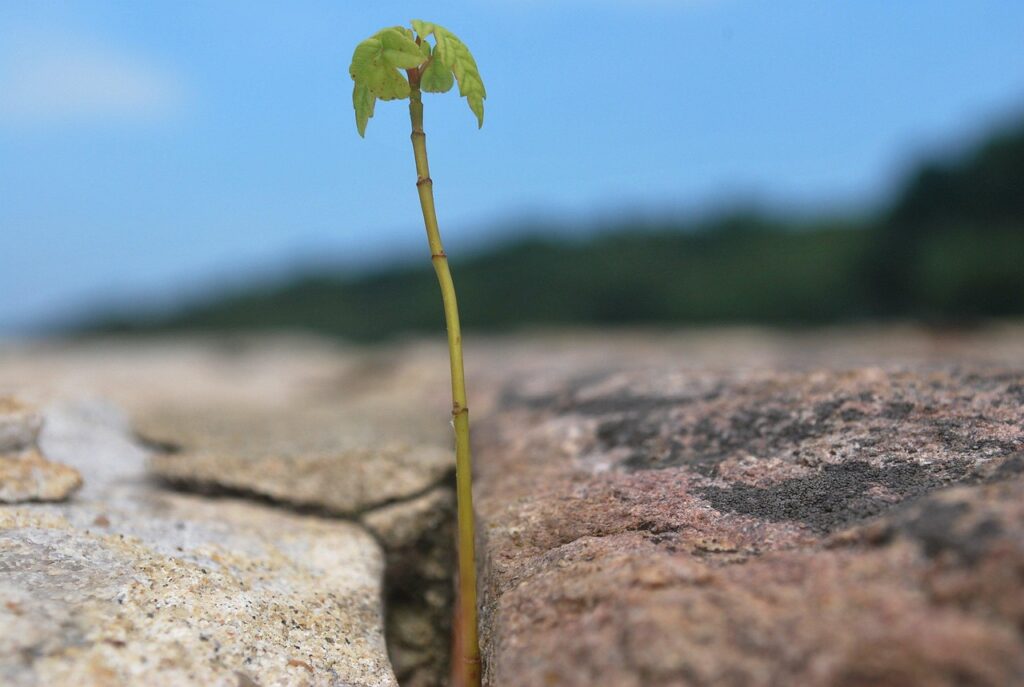
The researchers argue that we need to stop treating passion like a treasure hunt and start treating it like a construction project. Passion is developed through effort, mastery, and connection.
I am trying to shift my focus this week. Instead of asking “Is this my passion?” I am asking “Am I building a relationship with this activity?”
The Eunoia Protocol: Cultivate, Don’t Hunt
If you feel stuck, stop looking for the perfect fit. Start exploring things that interest you, even just a little.
I am applying a new rule called The Harmony Test. When I engage in a project or hobby, I check the engine light.
- Do I feel a compulsion to do this to prove my worth? (Obsessive)
- Or do I freely choose this because I love the process? (Harmonious)
You don’t need to find it. You just need to water the seeds you already have.














You must be logged in to post a comment Login