

You solved the problem. You answered the email. You finished the project. So why do you still feel like you are under attack? You are confusing the stressor with the stress. You cleared your inbox but you did not clear your hardware. Stress is a biological sequence of mobilization followed by release. It requires physical completion. In modern environments we face open loops where stressors never fully end. This causes a toxic accumulation of cortisol and directed attention fatigue. To restore the human battery, you must signal safety to your nervous system through intentional physical action. Logical problem solving is not enough to wipe your mental cache and fix a hard drive crash.
Why does solving the problem fail to end the stress?
Solving the problem fails because a stressor is an external challenge while stress is the internal physiological response to that challenge. Your body remains in a state of high alert even after the work is done because you have not physically signaled that the threat has passed. This creates a persistent open loop that keeps cortisol levels elevated.
Digital workplaces are designed around constant pings. These notifications act as ongoing stressors that prevent the body from entering a relief phase. You may finish a difficult task, but if your phone buzzes five seconds later, the biological sequence remains incomplete. This leads to a state where you are always searching for peace but only finding more work. This is the core of the optimization trap where you become efficient at producing output but fail at recovering your internal systems.
What are the biological markers of a completed cycle?
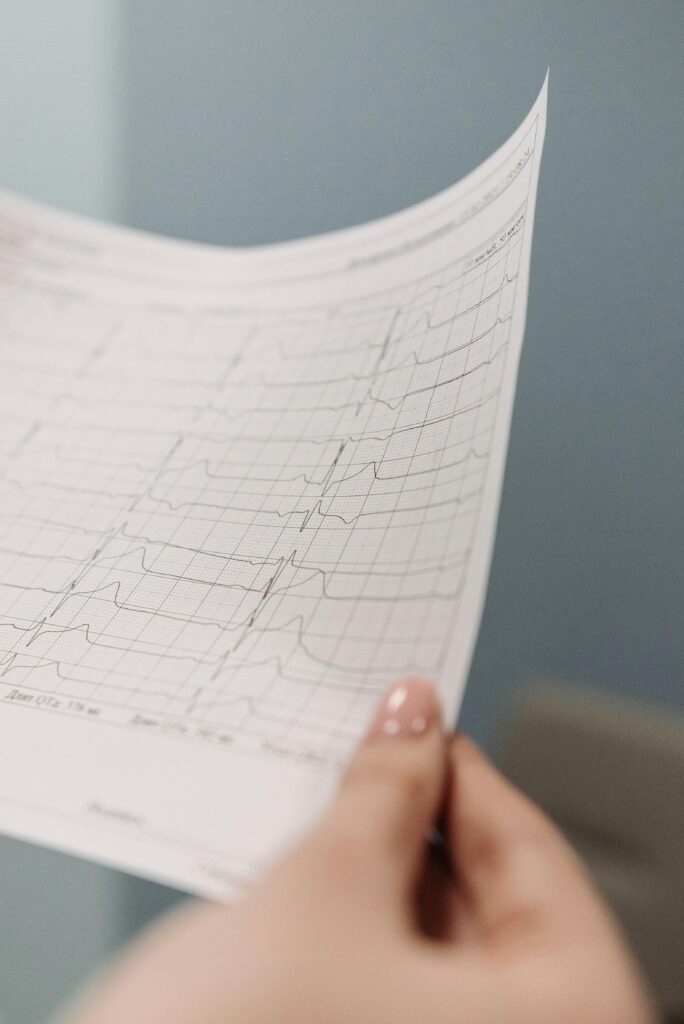
Biological recovery is marked by high vagal tone and a shift from the task positive network to the default mode network. This transition allows for glymphatic clearance which acts as a cellular detox for the brain. When these markers are present, the heart rate variability increases and the nervous system enters a state of parasympathetic dominance.
Closing the loop requires more than just sitting still. It requires a specific shift in your biological uptime. When you successfully signal safety, your vagus nerve activates to slow your heart rate and lower your blood pressure. This allows your brain to transition from scanning for threats to processing information and resting. Research on cognitive recovery markers confirms that physical cues are the fastest way to trigger this shift. Without this change, you remain stuck in a high alert state that limits your ability to lead. This is how you avoid the leadership vacuum caused by chronic exhaustion.
How do I physically signal safety to close the stress loop?
You physically signal safety by engaging in twenty minutes of vigorous activity to move the accumulated energy out of your system. If a high pressure environment prevents intense movement, you can utilize deep diaphragmatic breathing or progressive muscle relaxation. These actions provide a clear end point to the biological stress sequence and return the system to baseline.
As Emily and Amelia Nagoski explain in their work on unlocking the stress cycle, your body needs to know that it is no longer being chased by a lion. Physical activity is the most powerful signal of safety available to us. Other closed loop alternatives include social laughter or a long hug. These actions provide the sensory input required to convince your nervous system that the threat is gone. This is a vital protocol for protecting your focus in a distracted world. By closing these loops, you stop the energy leakage that keeps you from being effective.
The Structural Integrity Protocol: The Law of Periodic Renewal
Rest is not a luxury or a moral reward. It is the kinetic recovery necessary for sustained high output. To manage your energy, you must treat every stress response as a biological project that requires an explicit closing phase. If you do not close the loop, you are leaving your engine running at redline while parked in the garage.
The New System Law: High performance is only sustainable through rhythmic renewal. Any system that ignores the recovery phase is architecturally unsound and destined for collapse.
Your Protocol for the Week: Identify your most stressful task of the day. Immediately after finishing it, do not move to the next email. Instead, perform a five minute physical reset. Use rhythmic movement, deep breathing, or a brief walk to signal to your body that the project is over. Record how this affects your mental clarity in the afternoon. This is a practical step toward building a code for living with integrity.













You must be logged in to post a comment Login