
You walk into your house and you feel tired immediately. The front door handle jiggles because the screw is loose. There is a pile of unopened mail on the counter that has been there for three weeks. You get in your car and the Check Engine light is on.
You think you are just busy. You tell yourself you will get to it later.
But the reality is that you are at war with your environment.
Every broken object in your life is a tiny psychological vampire. It sucks your focus. It drains your battery. In neuroscience terms, this is called cognitive load. Your brain has to burn glucose just to ignore the mess, which leaves you with less fuel for the things that actually matter.
You treat your stuff like dead matter, so it acts like dead matter. It rots. This is the law of entropy.
The Soul of the Toaster
In the West, we view objects as inert trash. We buy them, use them, break them, and throw them away.
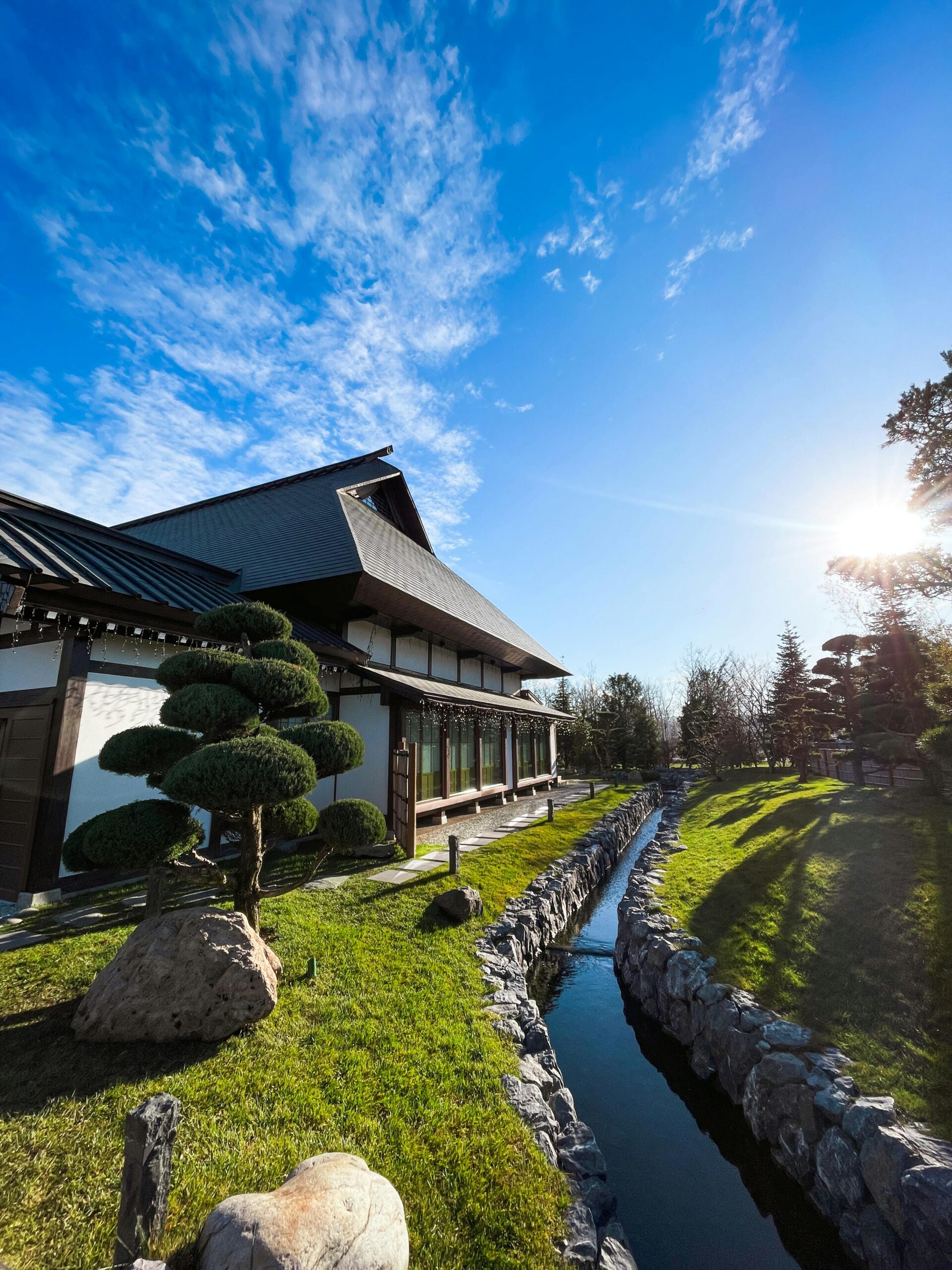
In Japan, specifically in the Shinto tradition, they view things differently. They believe objects have Kami or spirits. They believe that things have a nature that must be respected.
Now, you do not have to believe your toaster has a ghost to understand the utility of this mindset.
Think about the best mechanic you know. He does not kick the engine when it fails. He listens to it. He treats the machine with respect, almost as if it were alive. Because he respects the machine, he maintains it. And because he maintains it, the machine serves him.
Robert Pirsig wrote about this in Zen and the Art of Motorcycle Maintenance. He argued that “care” is the bridge between the self and the object. When you stop caring, the bridge collapses, and the machine fails.
Cleaning vs. Purification
We have a branding problem with cleaning. We view it as a chore. It is drudgery. It is something we have to do because things are dirty.
In Shinto, cleaning is called Harae. It is not about hygiene. It is about purification. It is a ritual used to push back chaos.
When you wash the dishes with the Western mindset, you are just removing grime. It is a low-status task.
When you wash the dishes with the Shinto mindset, you are restoring order to your universe. You are reducing the chaos in your sanctuary. This shift changes the metabolic cost of the task. It turns a drain into a charge.
Marie Kondo became famous for telling people to thank their socks. Most people thought this was cute or crazy. But they missed the point. Kondo spent years as a Shinto shrine maiden. She was not teaching minimalism. She was teaching animism. She was teaching us to treat our environment as a partner rather than a storage unit.
The Revenge of the Neglected Object
Japanese folklore warns of the Tsukumogami. These are tools that acquire souls and get angry after one hundred years of neglect. If you mistreat a tool, it eventually turns into a monster.
We have this in the West too. We just call it “bad luck.”
It is the printer that always jams when you are late for a meeting. It is the car that dies on the way to the interview.
This isn’t bad luck. It is the revenge of the neglected system.
Neglected systems fail at the worst possible time because that is when you put the most pressure on them. You broke the relationship with the object by ignoring it, so the object broke you.
The One Item Ritual
If your house is chaos, your mind is chaos. Your environment is a mirror.
We are still in Base Camp mode this month. We are not trying to climb Everest yet. We are just checking our gear.
Here is your challenge for the week. Pick one item you own that you have been disrespecting. It might be the dirty car, the disorganized tool drawer, or the phone with the cracked screen.
Do not just clean it. Restore it.
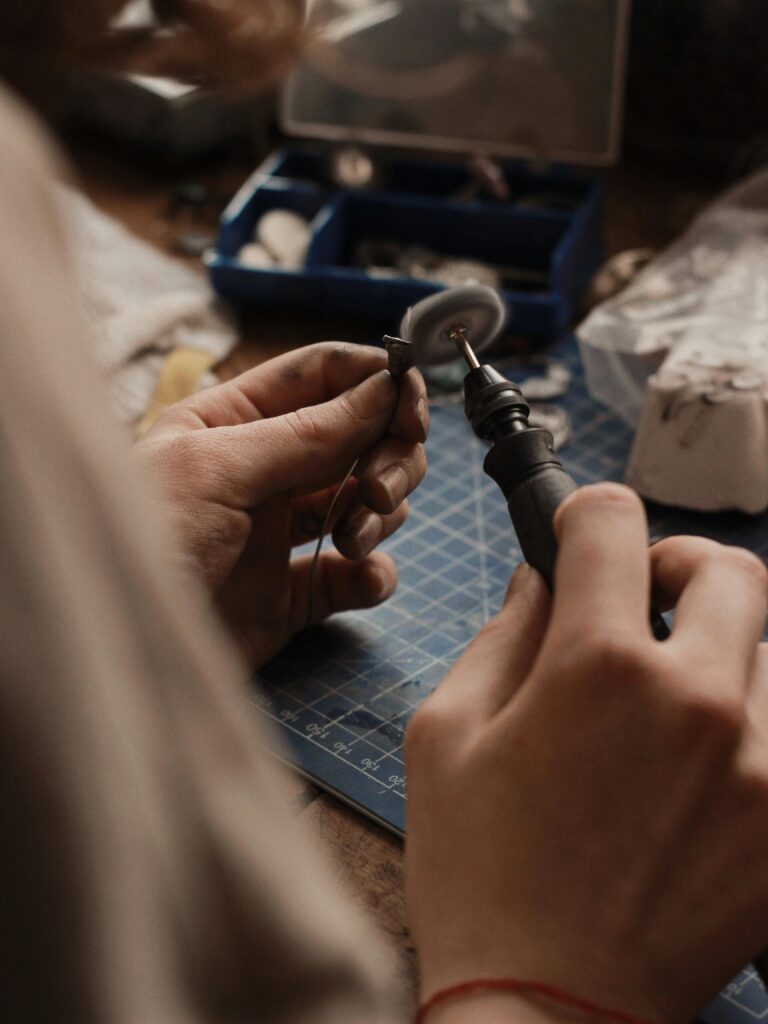
Wipe it down. Tighten the screw. Apologize to it mentally for letting it rot.
Fix the mirror, and you fix the mind.









You must be logged in to post a comment Login